• Archives

  • Categories

  • Pages

Q&A: Are there any tips to making sure the ice on my pond is safe to stand on?

Are there any tips to making sure the ice on my pond is safe to stand on?

Are there any tips to making sure the ice on my pond is safe to stand on?
Nicki – Sandusky, OH

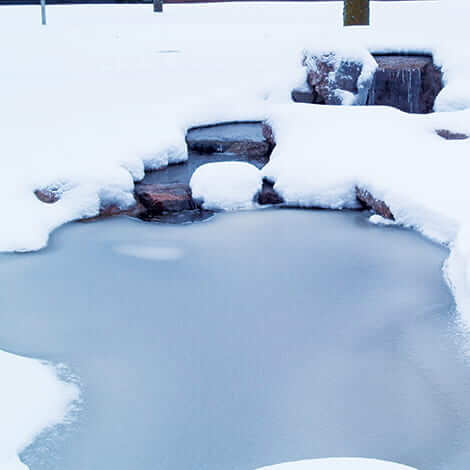
Winter brings not only cold weather and snow to your pond or lake but a perfect layer of ice for skating, ice fishing, snowmobiling and other fun as well. While you may be eager to get out on the ice this season, it is important that you know how to distinguish the difference between safe strong ice and a potential hazard.

There are a lot of different factors that determine the ice thickness on a water body. Temperature has a large part in ice formation of course but water currents, wind and snow coverage also play a role in how water freezes. You should see a satisfactory layer of ice form on your pond after two to three weeks of freezing temperatures. Once temperatures stabilize and the ice has time to thicken you can venture onto the surface and perform an inspection.

You can visually determine the quality of ice by looking for bubbles, trapped snow, cracks and color. A clear solid blue layer of ice is stronger than a white brittle formation caused by air pockets and other flaws. Keep in mind that a pond with a running aeration system will have air pockets and should not be used for recreation in the winter. Naturally new ice is stronger than old ice as there are less chances of warm weather thawing and re-freezing. Once you have inspected the surface of the ice you can drill or cut samples to verify thickness. Since a water body will not always freeze evenly you will want to take samples in multiple locations as you work your way out towards the center. A layer of ice less than 3 inches is unsatisfactory for most people to walk out onto. It may be able to hold up lighter people or small animals but can easily crack. If you plan on having a group of people on the pond or want to take your snowmobile out on your lake an ice formation of 6-8 inches minimum is ideal. Click over to our blog on Ice Formation for more information regarding ice thickness and formation.

Be patient this winter and exercise extreme caution when venturing onto the ice. Taking the extra time out to visually inspect your ice and take samples can mean all the difference between a fun day outdoors or potential injury. Always make sure there is a floatation device within reach in case of a fall-through and always use common sense when venturing out on the ice.

Pond Talk: How do you determine when it is safe to venture out onto your pond or lake in the winter?

keep your pond safe at all times with a life ring!

When should I remove the fountain from my pond? – Ponds & Lakes Q & A

When should I remove the fountain from my pond?

When should I remove the fountain
from my pond?
Cameron – Clarksville, VA

While we’re not particularly anxious for winter to arrive it is in our best interest to start preparing for the cold that will inevitably come. Since you are working not only outdoors but in the water as well you may want to get a jump start on removing your fountain from your pond before you start feeling the full effects of Winter.

Convenience aside, you can leave your fountain in the pond until ice starts to form. Surface forming ice may damage the float or other parts of your fountain and can potentially prevent water passing through the spray nozzle from returning back into the pond. This ice barrier can cause the fountain to run dry destroying your fountain’s motor.

Removing your fountain and preparing it for storage is a fairly simple process. Most fountains have a quick disconnect at the motor that lets you separate the fountain from the main power cord. Make sure you turn off the power to the fountain and pull your fountain ashore. Wash down the fountain and float assembly to remove any algae or debris that may have accumulated over the season, a pressure washer makes short work of even the dirtiest fountains. Inspect electrical cables for signs of wear or damage and, if your fountain has lights, check for burnt out or damaged bulbs and lenses.

Since the fountain is out of the pond and won’t be used for a few months, now is the perfect time to send it to a licensed repair facility for any routine maintenance it my require such as oil changes or seal replacements. Once your fountain is cleaned and inspected store it in an upright position in a climate controlled location like a heated pole barn or garage. Since there are many different types of fountains, it is very important that you read through your users manual for special instructions and maintenance plans to keep your fountain running at its very best.

If you are feeling adventurous and want to run your fountain throughout the winter you can minimize the risk of damaging your equipment by selecting a more suitable spray nozzle and regularly monitoring the environment. Choose a spray nozzle that throws heavier streams of water instead of a misty pattern. Water moving at a higher volume in a dense pattern is less likely to freeze than water sprayed in a finer pattern. Periodically check the fountain to make sure the spray nozzle is unobstructed and that the water can return back into the pond. If you are going to run your fountain in temperatures below freezing you will have to run it continuously or the water in the fountain head will freeze when switched off. Keep in mind that parts damaged by winter operation may not be covered under your manufacturer’s warranty.

If your fountain is your primary source of aeration you have a few alternatives to get you through the winter. Try to keep a hole open through the surface ice in your pond. This will allow toxic gasses formed by decomposing organic debris to exit the pond and let fresh air in. Since cold water holds oxygen easier and your fish are less active in cold water you may not need additional aeration. If you are concerned however, you can install a bottom plate aeration system which can be run year round even when ice forms on the pond.

POND TALK: Do you run your fountain in the winter? Send us some pictures of your fountain in action.

Keep your pond healthy all winter long!

Follow

Get every new post delivered to your Inbox.

Join 89 other followers